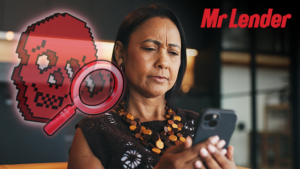
Sharing a photo of a new purchase, posting holiday snaps or uploading a screenshot might seem harmless. But small details can sometimes reveal more about your personal life than you realise.
Even well-known tech leaders can make mistakes when sharing online. In October 2026, Elon Musk made headlines after sharing a screenshot of a LEGO Star Wars purchase. According to WIRED, the image revealed personal details, including his email address, billing and delivery addresses, order number and the last four digits of his payment card. Other users reportedly used this information to interact with LEGO’s customer service chatbot and try to change the order.
Before You Post, Ask Yourself These Five Questions:
Could this information be used to identify me? Check for any names, addresses, phone numbers or bank account details.
Does this show where I am? Look for location clues, travel plans or easily recognisable places. Be careful if taking pictures which include your home, vehicle or child’s school.
Am I sharing anyone else’s information?
Could someone misuse this information? Think about whether it could help someone access an account, change an order or carry out a scam.
Would I be happy for anyone to see this information? Remember that people can save, screenshot and share your posts with others.
RECEIPTS, ORDER CONFIRMATIONS AND DELIVERY LABELS
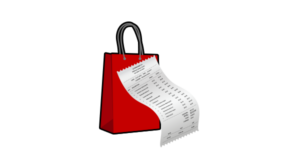
Sharing a photo of a new purchase might seem harmless, but your receipt or delivery label could reveal more than you think. It may show your name, address, email, order number or payment details. Someone could use this information to find out more about you or try to change your order.
How to stay safe: Before posting, cover your personal details, order numbers, barcodes and QR codes. Check parcel labels carefully, too, as even small details can put your privacy at risk. |
BANK STATEMENTS AND FINANCIAL INFORMATION
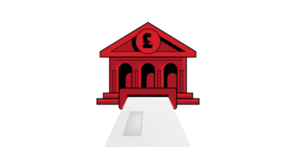
Sharing a savings milestone or your first income from a new job might be exciting, but screenshots of bank accounts or payments can reveal private details. These could include your name, account information and spending habits, which could lead to your identity being stolen, or this information may be used to make a scam seem more believable.
How to stay safe: Never post bank statements or payment screenshots. If you want to celebrate a financial achievement, share the good news without showing any account details or balances. |
YOUR HOME ADDRESS AND LOCATION
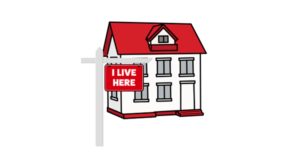
You don’t have to share your address directly for someone to work out where you live. Photos showing your house number, street signs or nearby landmarks could give away your location.
How to stay safe: Check the background of your photos before posting. Avoid showing details that identify your home and be careful about sharing your location while you’re there or if you are going away. |
HOLIDAY PLANS AND TRAVEL UPDATES
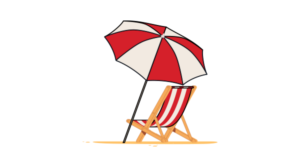
Sharing holiday plans can be fun, but telling everyone when you’ll be away could let strangers know your home is empty. Photos showing your hotel or current location can also reveal where you are.
How to stay safe: Consider posting holiday photos after you return home. Keep travel plans private and check who can see your social media posts. |
SCREENSHOTS OF PRIVATE CONVERSATIONS
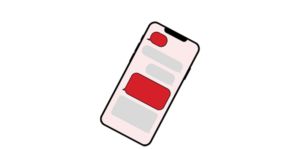
Screenshots of funny messages or conversations might seem harmless, but they can show names, profile pictures, email addresses and other private details. You could also share someone else’s information without meaning to.
How to stay safe: Check screenshots carefully before posting. Hide names and personal details and always ask permission before sharing someone else’s private messages. |
PERSONAL DOCUMENTS AND IDENTIFICATION
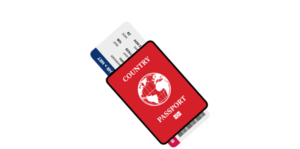
Passports, driving licences, boarding passes and letters can contain details that could be misused if they fall into the wrong hands.
How to stay safe: Keep these documents private. If you need to send one to an organisation, use its official website or a trusted, secure method and only share the details that are needed. |
PASSWORD CLUES AND SECURITY QUESTIONS
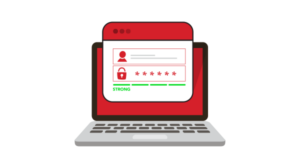
You might never share your password, but your posts could help someone guess it. Details such as your birthday, pet’s name or old school could give away answers to security questions.
How to stay safe: Use strong, different passwords for each account with a combination of letters, numbers and special characters and turn on two-step verification where possible. Avoid using personal details that others could easily find online. |
PHOTOS WITH PRIVATE DETAILS IN THE BACKGROUND
It’s easy to focus on the main subject of a photo and miss what’s behind it. A picture could accidentally show work documents, letters with your address or information on a computer screen.
How to stay safe: Check the whole photo or video before posting. Look for private details in the background and crop or blur anything you don’t want others to see. |
DETAILS ABOUT YOUR DAILY ROUTINE

Regularly posting where you work, exercise or go for coffee could help strangers work out your daily routine. Over time, these small details can reveal where you are likely to be and when.
How to stay safe: Avoid sharing your routine in real time, and think about what your posts reveal when view. Screenshots of funny messages or conversations might seem harmless, but they can show names, profile pictures, email addresses and other private details. You could also share someone else’s information without meaning to. |
What Should You Do If You’ve Shared Personal Information by Mistake?
If the post is still online, delete it or limit who can see it. Remember, someone may have already saved a copy.
If you’ve shared a password or PIN, change it straight away. If your bank details may be at risk, contact your bank using its official contact details.
Be careful of unexpected calls, emails or messages. Scammers may use your personal information to make themselves seem trustworthy. Never share your password, PIN or security codes with anyone.
For more advice, visit the UK government’s Stop! Think Fraud guidance. |

Mr Lender is a multi-award winning lender and is rated five stars on Trustpilot by customer reviews. So why would you choose anyone else for your short term loans?

|